

The diligent nation
Slovenia has a population of two million, of whom the vast majority are ethnic Slovenes. People hailing from the other former Yugoslav republics make up a significant minority, albeit less than 10% of the total population. The Italian and Hungarian ethnic communities have protected minority status, despite their small size.
The majority of people live in towns and cities, but a significant number live in the countryside. Agriculture accounts for only a small proportion of the workforce, while the majority work in services and manufacturing.
Slovenes are renowned as a diligent, hard-working nation, part of the reason that Slovenia is the wealthiest of the new EU members. They constantly aim to prove themselves and to progress. Their toil and persistence has allowed many Slovenes to achieve at the global level. A very good example is the country’s athletes, particularly those involved in extreme sports, from mountaineering and extreme skiing to ultramarathon biking and swimmingexploits.
Slovenes are also very thorough in learning foreign languages to make themselves understood. Even primary school students can speak foreign languages. The majority of people can speak good English, while most have a good grasp of German. A large share of the population can communicate in the languages of the old Yugoslavia, while there are many fluent Italian speakers in the areas bordering Italy.
Invigorating above and below
The collision of four major European geographical units has created a very invigorating landscape, much of it thickly forested. More than a third of the country’s area is protected.
The most mountainous region is the north, where the Alps begin. The Julian Alps and the Kamnik-Savinja Alps have many stunning sharp peaks. The peaks of the Karavanke, the mountains bordering Austria, are more gentle.
Much of the east of the country between Ljubljana and Maribor is uplands, as are the areas west and south of the capital.
There are gentler hills in the south-east and east, where the vine flourishes, while plains and basins populate the areas between the hills. The Ljubljana region lies in the largest basin.
Slovenia also has a large plains area, as the east of the country is part of the Pannonian Plain.
Not only is the land surface very invigorating, there are also wonders underground: some of the country’s 9,000karstic caves are among the most beautiful in the world.
Ljubljana Time

November 23rd, 2010
admin
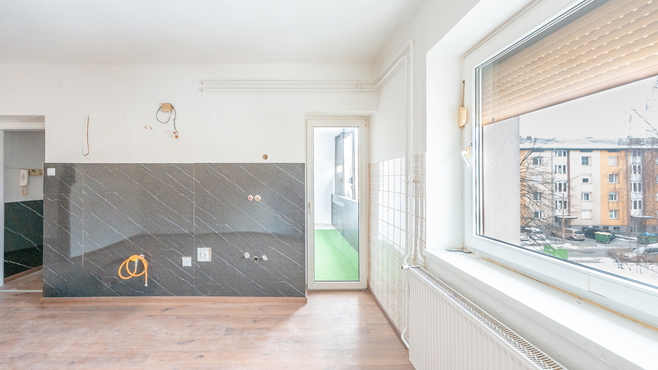
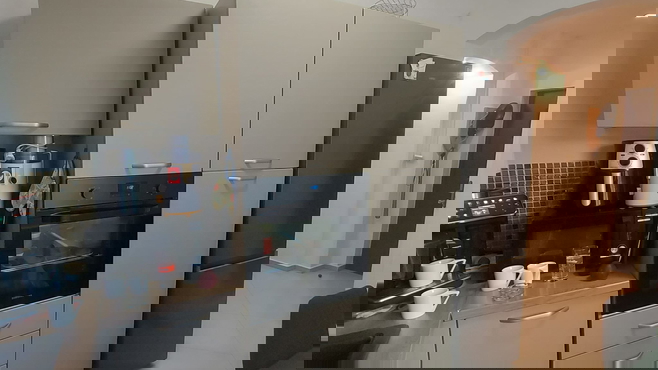
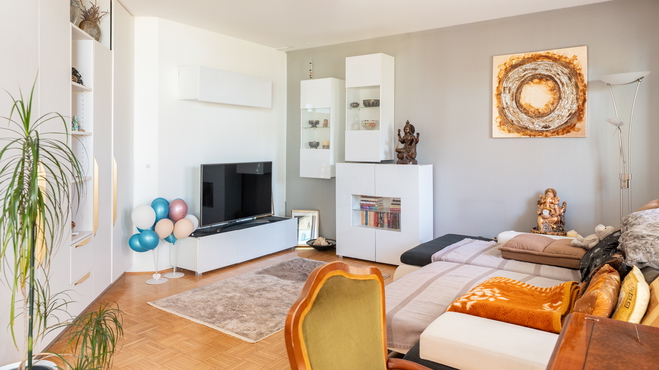
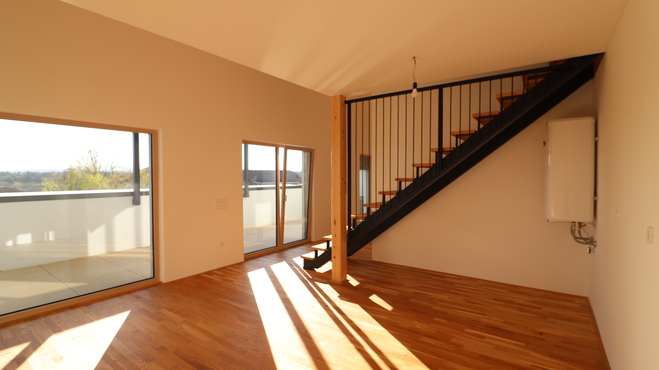
Ljubljana apartments
See the Border formalities column below for what must be arranged before leaving for Slovenia. Should you be interested in anything specific, there are links to the relevant websites.
One way of minimising the possibility of any unpleasantness is to leave the organisation of your trip to a Slovenian travel agency with experience of working with foreigners.

The mountain Lake Bled is the most well known Slovenian lake and also a top tourist destination in the country. The fresh alpine air and clean waters of Bled attract not only day-trippers from Ljubljana, but also crowds of holiday makers in summer, while in the winter the resort offers skiing. Above the lake, the picturesque Bled castle stands proudly atop the steep rock. Visiting the Bled Lake from Ljubljana is easy by taking a comfortable train, which runs via Jesenice several times a day, and takes 1:30 – 2h. If you buy a return ticket, bear in mind that the last train back to Ljubljana leaves at about 17h.
Skocjan cave


Euro Converter